
StocksEquities, earnings & valuations
Nvidia loses market value after Jensen Huang resigns as CEO, and Damodaran models what his exit could cost
Nvidia has lost about $1.5 trillion in market value since allegations about Jensen Huang surfaced on October 29, by Aswath Damodaran's count. That came despite a record quarter. Damodaran values the company before the scandal near $4.8 trillion and says the final cost depends on succession and the China allegations.
From the Musings on Markets article of November 19, 2026 and cited sources: Jensen Huang resigned as Nvidia's CEO and as a director with immediate effect. [3] [10] [6] [8]
SOURCES[3] Nvidia 8-K sec.gov[10] Nvidia 8-K exhibit: CEO transition sec.gov[6] NPR npr.org
 AT Pulse research deskPublished · Updated · 5 min read · AI-assisted analysis
AI-assisted, not human-edited. Methodology Corrections Who owns this site
- What happened
- Jensen Huang resigned as Nvidia's CEO and as a director with immediate effect. [3] [10] [6] [8] [9]
- Original source
- Musings on Markets article, independent perspective
- Brief by
- AT Pulse research desk AI-assisted; publisher and contact on the desk page
- When
- November 19, 2026 article published
- Covered
- Nov 20 edition
- Evidence
- 13 sources across 10 sites
RisingHow it’s measured
YouTube video · 24.9K views · 383 likes
Reach blends public engagement (views, likes, comments, shares, stars) from the platforms where the story or its original source lives: YouTube, Hacker News, GitHub, Substack and similar. A video and the article written from its transcript share one score, taken from the video. Platforms with no data are left out rather than counted as zero, and the age of a story never lowers its score.
Jensen Huang resigned as Nvidia's CEO and as a director with immediate effect. The company's filing is dated November 11, while most outlets report the resignation on November 12. CFO Colette Kress is interim CEO and keeps her CFO role. Harvey Jones became Nvidia's first board chair. After talk of a comeback, the board said it does not intend to reinstate Huang. Bill Ackman says the board rushed to judgment. [3] [10] [6] [8] [9]
Strong results did not stop the selloff. Q3 revenue was about $115.8B, up 103% year over year and above a consensus of roughly $108.7B. Q4 guidance was $130B. Even so, shares closed at $145.98 on November 19, a market value near $3.52T. Damodaran says the rest of the Magnificent Seven and TSMC were roughly flat over the same weeks. A separate tally counts $2.03T lost from the October 6 peak. [4] [9] [2] [11]
Damodaran values Huang as the difference between Nvidia's value with him and without him. His base DCF gives about $4.8T and treats about $500B in financing commitments as debt. He changes only revenue growth and margins. Short-term effects alone cut value by 5–10%. A 3-point drop in long-run growth combined with a 6-point drop in margins cuts it by 24%. His spreadsheet is public, so readers can test their own inputs. [1] [2]
The size of the loss depends on unresolved points: - **Successor fit:** he argues Tim Cook does not suit Nvidia's growth stage. - **Huang's cooperation:** Huang's personal ties to TSMC are part of Nvidia's value. - **Management depth:** how well the managers below the CEO can run the company. - **The China allegations:** he says that if they hold up, the damage would last whoever is CEO. He also argues that dual-class control would have made the episode worse. [1] [2] [12]
a record quarter did not stop the selloff. Implication: in Damodaran's framework, Huang's leadership, his TSMC relationships and Nvidia's customer financing are part of its value.
Read the full assessment
Succession and the China inquiry's outcome could therefore move value by double-digit percentages.
Executive brief
Jensen Huang, who co-founded Nvidia and ran it for 33 years, resigned as CEO and as a director with immediate effect, according to Nvidia's 8-K. His exit followed reports linking him to an alleged Chinese intelligence asset and to affairs with employees. On November 17 Nvidia reported a record quarter: $115.8B in revenue, up 103% year over year. Two days later the stock still closed at $145.98, a market value of $3.52T (Motley Fool). Aswath Damodaran estimates Nvidia's value before the scandal at about $4.8T. He argues that the size of the loss depends on who succeeds Huang and on whether the China allegations hold up.
What changed and event timeline
Spy allegation surfaces
The New York Times reported that US intelligence had concluded Alice Huang, a former Megaspeed executive, was a Chinese asset close to Huang. Nvidia called Megaspeed an ordinary regional cloud customer ().
Huang resigns
The 8-K records his resignation and names CFO Colette Kress interim CEO and Harvey Jones the company's first board chair (;). Shares fell more than 14% intraday ().
Comeback talk
The Financial Times reported that Huang had discussed returning, and Elon Musk backed the idea. CNBC reported that the board was not considering it. The stock fell 4% ().
Earnings beat, reinstatement ruled out
Q3 revenue was $115.84B against a $108.73B consensus, with Q4 guidance of $130B ±3%. Chair Jones said the board does not intend to reinstate Huang ().
Ackman criticizes the board
Bill Ackman said directors had "panicked" and rushed to judgment without proper due diligence ().
Valuation post published
Shares closed down 3.3% at $145.98 (). Damodaran published his analysis of what Huang was worth to the company ().
Capabilities and access
No new model or product was involved.
Read the full section
No new model or product was involved. The relevant "capability" here is leadership:
- Interim CEO Kress keeps her CFO role while the board searches internal and external candidates (SEC 8-K).
- Damodaran lists the names circulating as Kress, Ian Buck, Rene Haas, Lisa Su and Tim Cook. He argues Cook does not fit Nvidia's current stage of growth (video, 24:56).
- New US restrictions on Chinese access to Nvidia chips added pressure on the stock (Motley Fool).
Technical analysis for researchers and developers
Damodaran's method values the company twice: the key person's value is the firm's value with that person minus its value without them (blog).
Read the full section
Damodaran's method values the company twice: the key person's value is the firm's value with that person minus its value without them (blog).
- Base case: a DCF with data through Q2 2026 gives about $4.8T (~$200/share). It adds Nvidia's Anthropic stake and treats about $500B in financing commitments as debt.
- What he changes: only revenue growth and margins. He holds cost of capital and reinvestment constant (video, 23:31).
- Sensitivity: if the effects are only short-term, value falls 5–10%. A 3-point drop in long-run revenue growth plus a 6-point drop in margins cuts value 24% (video, 24:02).
- Reproducibility: he publishes the spreadsheet so readers can change the inputs themselves.
Claims and evidence
- Market-cap loss: Damodaran puts it at $1.5T since October 29, while the rest of the "Mag 7" and TSMC were roughly flat (video, 14:15).
- Spy allegation: this rests on reporting about intelligence assessments.
- Return odds: Damodaran cites a 10% probability on Kalshi that Huang returns (video, 24:40). No independent source confirms the figure.
Read the full section
- Market-cap loss: Damodaran puts it at $1.5T since October 29, while the rest of the "Mag 7" and TSMC were roughly flat (video, 14:15). That peer comparison is his own and was not independently checked. A separate tally counts $2.03T lost from the October 6 peak (Yahoo/Fool summary).
- Spy allegation: this rests on reporting about intelligence assessments. Nvidia disputes the export-diversion angle (TweakTown). Damodaran calls the evidence "thin."
- Return odds: Damodaran cites a 10% probability on Kalshi that Huang returns (video, 24:40). No independent source confirms the figure.
Context and prior work
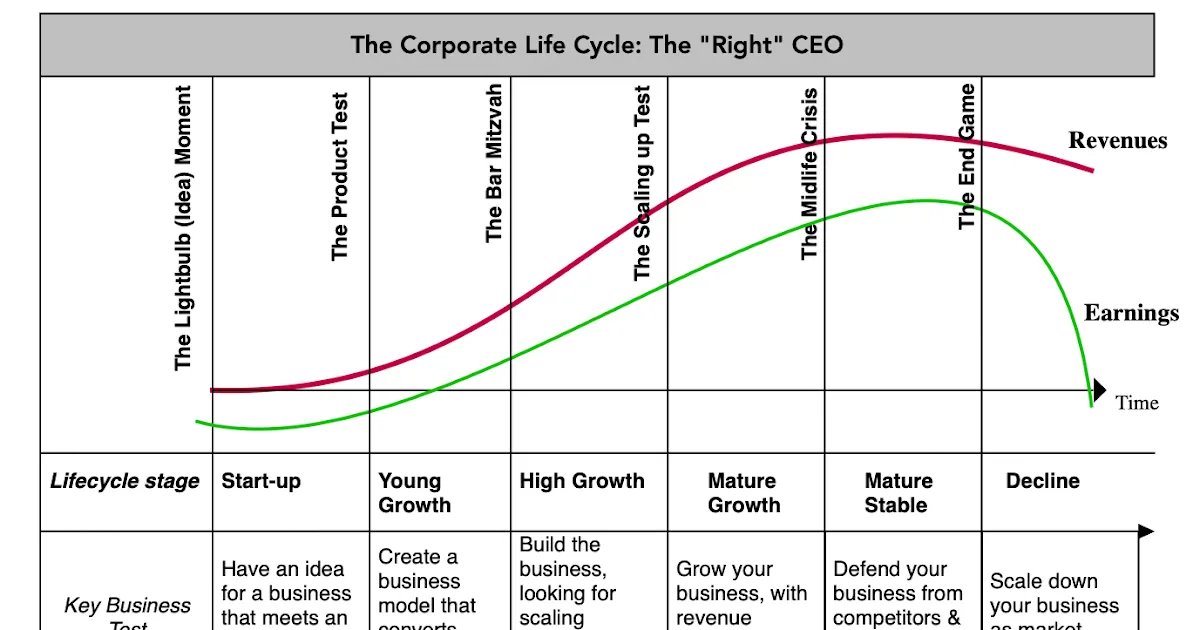
- Damodaran ties CEO value to the corporate life cycle. He describes Nvidia as a rare "growth at scale" company: revenue growth of 69.42% a year from 2021 to 2026, with gross margins near 70% (blog).
- He offers Bill Gates and Jeff Bezos as founders who built companies that did not need them (video, 31:17).
Read the full section
- Damodaran ties CEO value to the corporate life cycle. He describes Nvidia as a rare "growth at scale" company: revenue growth of 69.42% a year from 2021 to 2026, with gross margins near 70% (blog).
- He offers Bill Gates and Jeff Bezos as founders who built companies that did not need them (video, 31:17).
Limitations, safety and contested findings
- Inconsistent dates: the 8-K is dated November 11, while most outlets report the resignation on November 12.
- Disputed board decision: the board says Huang resigned voluntarily over code-of-conduct breaches. Ackman calls the process a breach of duty (24/7 Wall St.).
- Unproven China link: Damodaran says that if the China allegations are true, the damage would persist no matter who is CEO (video, 27:25).
Read the full section
- Inconsistent dates: the 8-K is dated November 11, while most outlets report the resignation on November 12.
- Disputed board decision: the board says Huang resigned voluntarily over code-of-conduct breaches. Ackman calls the process a breach of duty (24/7 Wall St.).
- Unproven China link: Damodaran says that if the China allegations are true, the damage would persist no matter who is CEO (video, 27:25).
- Analyst targets diverge widely: Wedbush moved to $293, while another analyst cut to $186 (Motley Fool).
Business and practitioner implications
- Supply-chain continuity: Musk says many of Nvidia's supply deals were handshake agreements with Huang, not written contracts (Yahoo Finance).
- Customer financing: Damodaran expects a new CEO might pull back from financing customers in the AI build-out, which could slow buyers who depend on that support.
- Governance: he argues that founder-led AI firms, Anthropic included, need ways for investors to push back.
Read the full section
- Supply-chain continuity: Musk says many of Nvidia's supply deals were handshake agreements with Huang, not written contracts (Yahoo Finance). Damodaran says Huang's personal ties to TSMC are part of Nvidia's value (video, 26:41).
- Customer financing: Damodaran expects a new CEO might pull back from financing customers in the AI build-out, which could slow buyers who depend on that support.
- Governance: he argues that founder-led AI firms, Anthropic included, need ways for investors to push back. He says dual-class control would have made this episode worse (video, 29:22).
The source trail.
Sources (13)
Musings on Markets: The Cost of Human Frailty
aswathdamodaran.blogspot.comLinked video: The Cost of Human Frailty: Nvidia's Jensen Huang Test!
linked video auto captions
www.youtube.com